Thursday, January 29, 2026
  • About
  • Contact
  • Privacy Policy
Ecobuild.club
  • Home
  • Sustainability
  • Insulation
  • Energy Efficiency
  • Eco Build
  • Green Energy
  • Natural Global Resources
  • Videos
No Result
View All Result
Ecobuild.club
Home Sustainability

INTERVIEW: Heatwaves endanger workers and reduce productivity

30th July 2023
in Sustainability
0
INTERVIEW: Heatwaves endanger workers and reduce productivity
0
SHARES
6
VIEWS
Share on FacebookShare on Twitter

Data from the UN’s World Meteorological Organization reveals this July is set to be the hottest month ever recorded. 

Heatwaves not only threaten the environment but create additional obstacles for countries attempting to achieve sustainable economic growth, full and productive employment, and decent work for all, the targets of Sustainable Development Goal 8, according to the ILO’s Nicolas Maître.
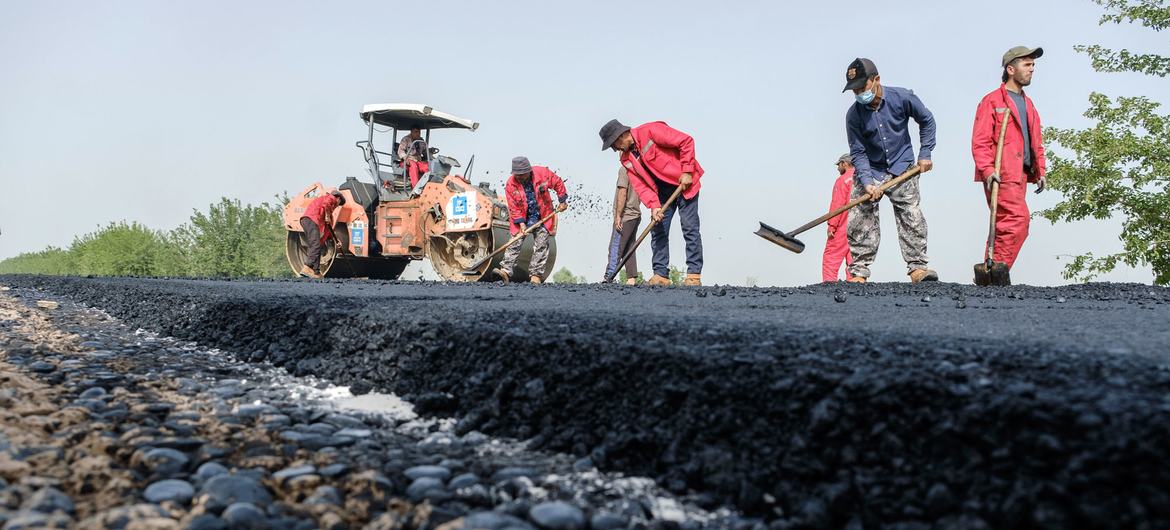
Workers construct a road in Tajikistan.

Workers construct a road in Tajikistan.

How do you define heat stress at work, known as occupational heat stress? 

Nicolas Maître: Occupational heat stress describes a situation where it’s too hard to work, or at least too hard to work at a normal intensity. It depends not only on temperature, but also on humidity and solar radiation. It endangers the safety and health of workers by increasing the risk of injuries and heat-related illnesses. 
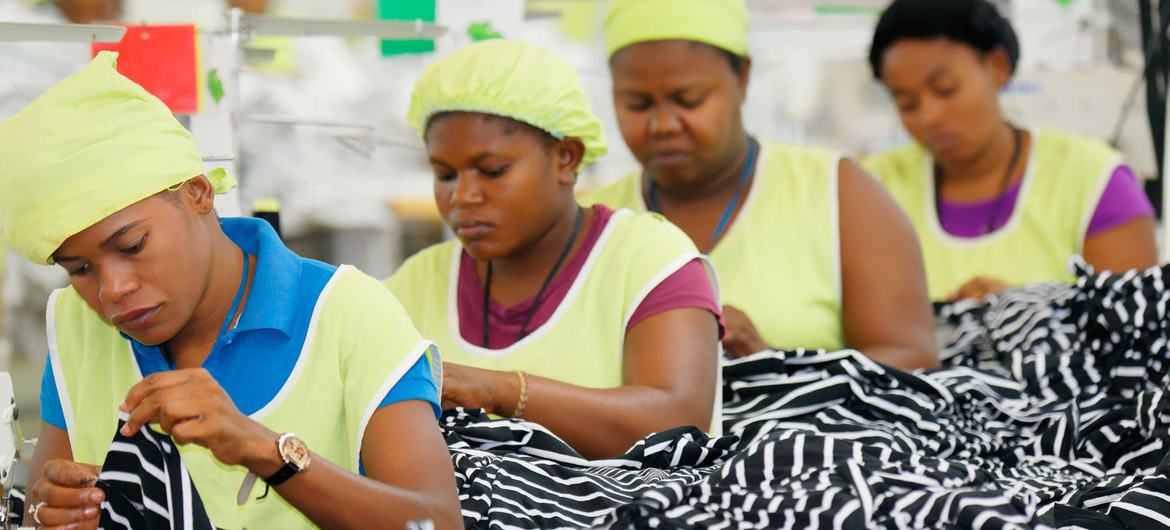
Haitian tailors work on a production line in a clothing plant.

Haitian tailors work on a production line in a clothing plant.

At what temperature does heat stress start to occur?  

Nicolas Maître: The estimates show that work productivity slows down at temperatures above 24-26 degrees Celsius (75-79 Fahrenheit). At 33-34°C (91-93°F), worker performance can drop up to 50 per cent in physically demanding jobs. It can occur in shade, and even inside some factories. If the factory has no air conditioning and employees are expected to operate heavy machinery or wear protective clothing, then it can occur in these contexts, too. 

Broadly speaking, agriculture and construction are the most affected sectors. The ILO estimates that globally, productivity declines due to the impacts of climate change, with agriculture accounting for 60 per cent of this loss. But heat stress can occur in all physically demanding jobs that require employees to work directly under the sun, for long hours, or while wearing protective clothing. 
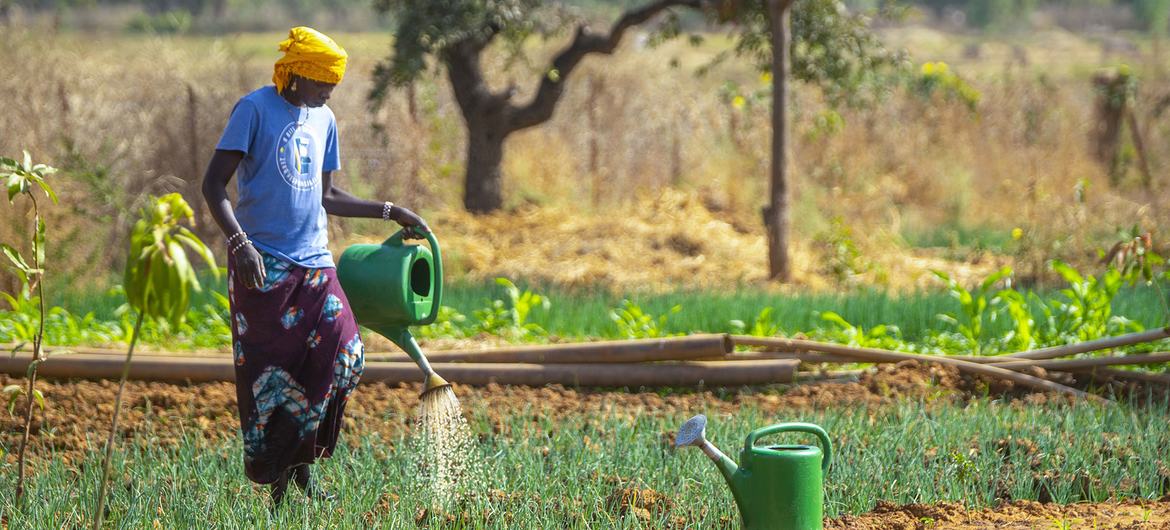
A farmer waters her garden in north-central Burkina Faso.

© WFP/Cheick Omar Bandaogo

A farmer waters her garden in north-central Burkina Faso.

Who is most affected by heat stress? 

Nicolas Maître: It affects those with the least capacity for adaptation. It’s a matter of social justice, and it’s a matter of reducing inequalities among countries, as well as within countries. 

Increasing the number of breaks, improving access to water, adapting working hours, and rotating workers are all effective heat-reducing measures. Adapting the clothing of workers, drinking regularly, and having routine self-health checks are also beneficial.
Related posts

Media Advisory | UN Commission for Social Development critical to turning commitments made at World Social Summit in Doha into concrete action

28th January 2026

Press Release | UN announces new Expert Advisory Panel to advance efforts in quantifying countries’ multidimensional vulnerabilities

27th January 2026
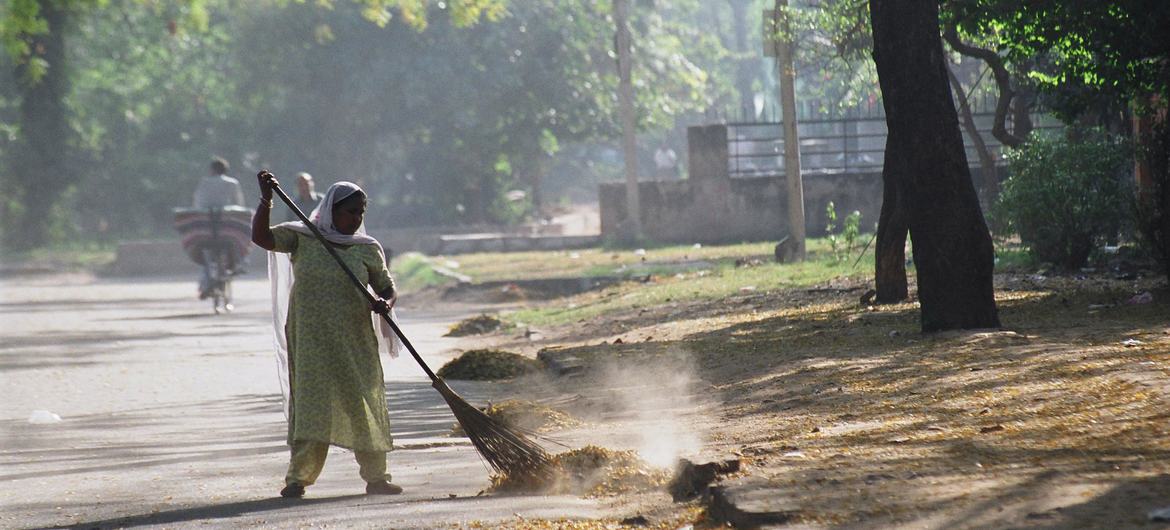
A domestic worker sweeps the street in an upscale neighbourhood in Delhi, India.

A domestic worker sweeps the street in an upscale neighbourhood in Delhi, India.

What can temperate countries learn from the adaption measures of hot countries?

Nicolas Maître: Evidence suggests that it’s becoming a real problem for temperate countries, but the problem is not the same. In Southeast Asia, for example, the problem is present year-round. In Europe, it’s a problem that primarily occurs during summer heat waves. I believe adaptation measures

 should consider these differences. While we implement sustainable adaptation measures in hot countries, we might think of measures triggered by a specific temperature in temperate countries. 
SDG Goal 8: Decent Work and Economic Growth

SDG Goal 8: Decent Work and Economic Growth

The role of the government in establishing these measures is very important. This relates to triggering situational adaption measures, but governments can also create a regulatory framework within the countries to tackle the issue of heat stress. It might be expensive, but the loss of productivity is also expensive. 

UN: Why do you think heat stress has received so much media attention in recent years?  

Nicolas Maître: When we started, there was very little research and media coverage was not the same. Now we see it’s all over the media. I think it is because it’s unavoidable, it’s here. We see our colleagues, our friends, and our families experiencing the issue. 

For more information on the ILO report, click here.

This interview has been edited for clarity and length. 


Source link

Previous Post

Climate Litigation Report reveals spike in cases demanding action

Next Post

First Person: ‘Shocked’ into hepatitis C treatment in South Africa

Next Post
First Person: ‘Shocked’ into hepatitis C treatment in South Africa

First Person: ‘Shocked’ into hepatitis C treatment in South Africa

Leave a Reply Cancel reply

Your email address will not be published. Required fields are marked *

RECOMMENDED NEWS

How Winter Storms Test US Grid Reliability and Power Costs

2 days ago

RELEASE: WRI Ross Center Prize for Cities Names Five Finalists Transforming Health and Daily Life in Cities

1 day ago

Media Advisory | Governments and key partners to gather at ECOSOC to advance innovative and transformative actions for a sustainable future

2 days ago

Press Release | UN announces new Expert Advisory Panel to advance efforts in quantifying countries’ multidimensional vulnerabilities

2 days ago

POPULAR NEWS

  • Press Briefing | 2025 UN Ocean Conference: Accelerating action to conserve and sustainably use the ocean 

    0 shares
    Share 0 Tweet 0
  • Press Release | UN Conference on Small Island Developing States delivers new era of resilience amidst SIDS’ crippling debt crisis

    0 shares
    Share 0 Tweet 0
  • India: Migrant workers’ plight prompts UN call for ‘domestic solidarity’ in coronavirus battle

    0 shares
    Share 0 Tweet 0
  • 5 Strategies on Improving A Business’ Sustainability

    0 shares
    Share 0 Tweet 0
  • RELEASE: WRI Ross Center Prize for Cities Names Five Finalists Transforming Health and Daily Life in Cities

    0 shares
    Share 0 Tweet 0
Ecobuild.club

ecobuild.club is an online news portal which aims to provide knowledge about Sustainability, Insulation, Energy Efficiency, Eco Build, Green Energy & Natural Global Resources.

Follow us on social media:

Recent News

  • Media Advisory | UN Commission for Social Development critical to turning commitments made at World Social Summit in Doha into concrete action
  • RELEASE: WRI Ross Center Prize for Cities Names Five Finalists Transforming Health and Daily Life in Cities
  • Press Release | UN announces new Expert Advisory Panel to advance efforts in quantifying countries’ multidimensional vulnerabilities

Category

  • Eco Build
  • Energy Efficiency
  • Green Energy
  • Insulation
  • Natural Global Resources
  • Sustainability
  • Videos

Subscribe to get more!

  • About
  • Contact
  • Privacy Policy

© 2018 EcoBuild.club - All about Eco Friendly Environment !

No Result
View All Result
  • Home
  • Sustainability
  • Insulation
  • Energy Efficiency
  • Eco Build
  • Green Energy
  • Natural Global Resources
  • Videos

© 2018 EcoBuild.club - All about Eco Friendly Environment !