
Ahead of the International Day of the Girl Child, marked annually on 11 October, Asa Torkelsson, the Fund’s Country Director in Thailand, spoke to UN News and explained how the UN is supporting access to sexual and reproductive health, especially for young people.
UN News: How widespread is teen pregnancy in Thailand?
Asa Torkelsson: The Thai government, with the support of national and international partners like UNFPA, has made significant progress in reducing teen pregnancy over the past decade. In 2011, the rate among women aged 15 to 19 was 53.4 births per 1,000, the highest it has been in Thailand since records began.
Legislation introduced in 2016 aimed to halve the rate within 10 years, but that target was reached by 2021, and now the aim is to reach less than 15 births per 1,000 by 2027. So, the statistics show that Thailand is doing very well, but more work needs to be done.
UN News: What more needs to be done to drive down the rate of teen pregnancies?
Asa Torkelsson: A range of social issues drives adolescent pregnancy. They include stigmatization about accessing birth control, gender inequality, poverty, sexual violence, and coercion as well as negative attitudes about women and girls. Many efforts to reduce it also neglect to account for the important role of boys and men. We need to make greater efforts to promote a masculinity which listens to and respects the dignity of women and girls.
A more holistic approach is required to support girls’ rights and to empower them to avoid adolescent pregnancy. Such an approach should include age-appropriate comprehensive sexuality education for all young people, the building of gender-equitable societies by empowering girls and engaging men and boys, and measures to ensure access to sexual and reproductive health information as well as services that welcome them and facilitate their choices.
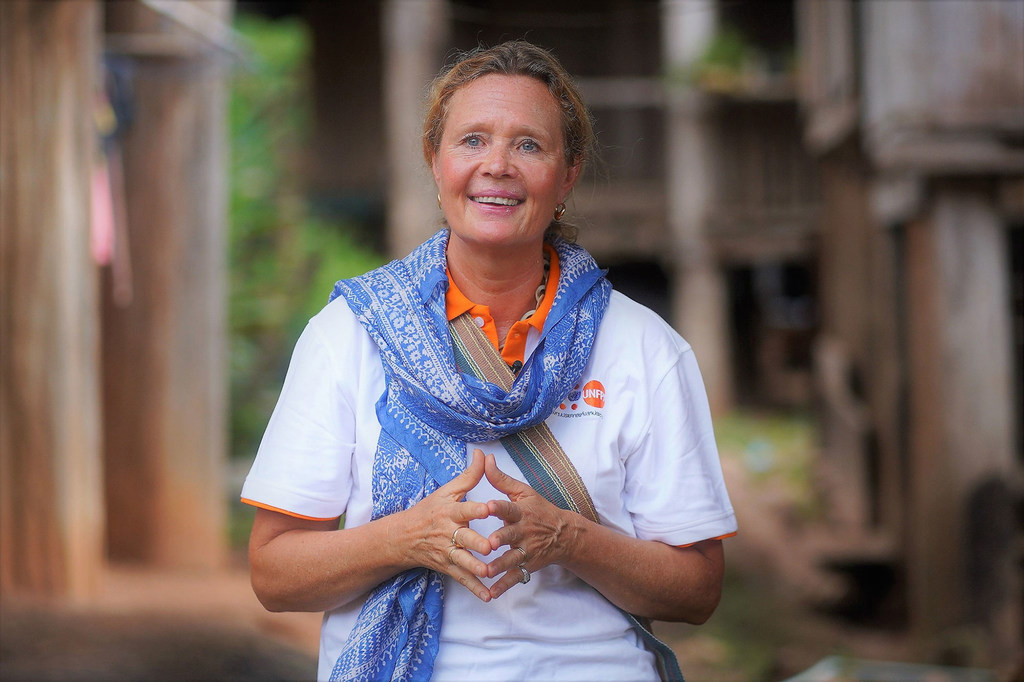
Asa Torkelsson, Country Director of UNFPA Thailand, visits a local community in a remote area of northern Thailand.
We need to see the participation of young people, families, and communities in establishing safe spaces for young people to discuss their sexual and reproductive health and their choices of family planning.
UN News: What role does stigmatization and discrimination play?
Asa Torkelsson: When young girls get pregnant, they can often experience discrimination wherever they are in the world, and this is certainly true in Thailand. Thailand can be considered a traditional society in many respects and so pregnant teens may be regarded with great disapproval, in other words stigmatized.
UNFPA has met with many young girls who say they have not received useful sexuality education while at school even though this is part of the curriculum. Others have said that they felt uncomfortable or shamed for asking for contraception because healthcare workers would be disdainful and would gossip behind their backs.
In the worst cases, this discrimination and stigmatization forces adolescent mothers to drop out of school and even to be deserted by their own family.
UN News: What are the long-term impacts of teen pregnancy?
Asa Torkelsson: Most teen pregnancies are unplanned and unintended and so often lead to many challenges.
Many adolescents are not yet physically ready for pregnancy or childbirth and are therefore more vulnerable to complications. In fact, early pregnancy is the chief contributor to death among younger girls in Thailand.
Additionally, in Thailand, they tend to be from lower-income households, and many are nutritionally depleted, increasing the risks associated with pregnancy and childbearing.
Adolescent pregnancy takes an enormous toll on a girl’s education and income-earning potential, as many girls stop going to school.
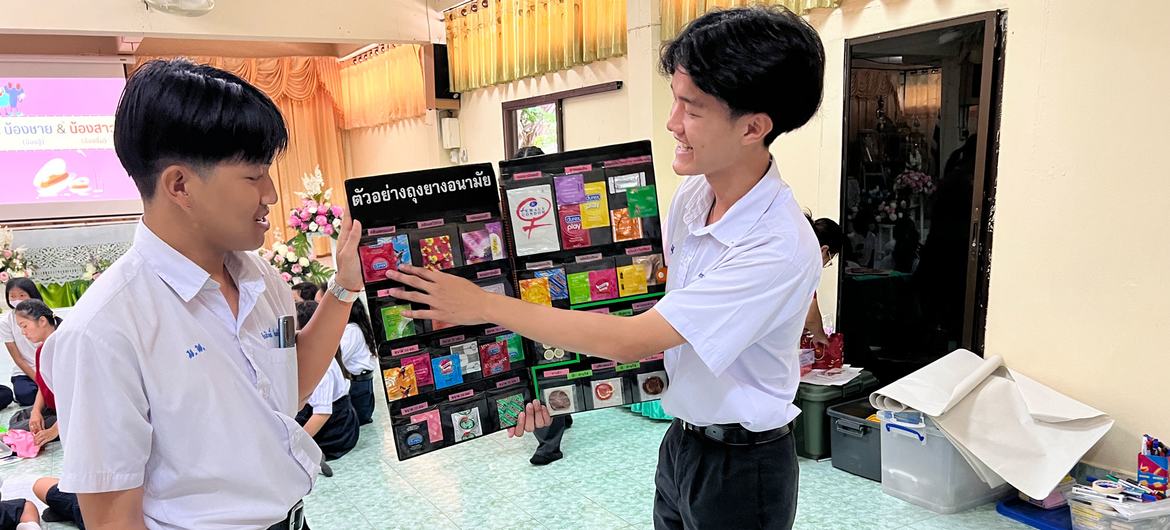
Thai students are learning about sexual and reproductive health issues, supported by the UN Population Fund (UNFPA).
UN News: How progressive is Thailand in sexual and reproductive health issues?
Asa Torkelsson: The Thai government has worked hard to ensure the rights to sexual and reproductive health for all people who live in Thailand, including young people.
In 2002, the universal health coverage system was introduced, giving all people access to health care. This includes family planning services and access to a wide range of birth control options, such as the contraceptive pill and long-acting contraception implants. From 2021, every young Thai person was able to receive up to 10 free condoms a week.
And more legislation specifically aimed at addressing the issue of teen pregnancy was enacted in 2016 as part of the Act for the Prevention and Solution of the Adolescent Pregnancy Problem. The law ensures essential rights for young people, including the right to education, especially for adolescent girls who get pregnant, stipulating that denying those rights is illegal.
UN News: Is the legislation helping to reduce teen pregnancy?
Asa Torkelsson: Effective legislation requires more than its passing into law. There is a lot of work to do in making sure the healthcare sector in Thailand is properly trained on the new requirements as well as how to deal with young pregnant girls.
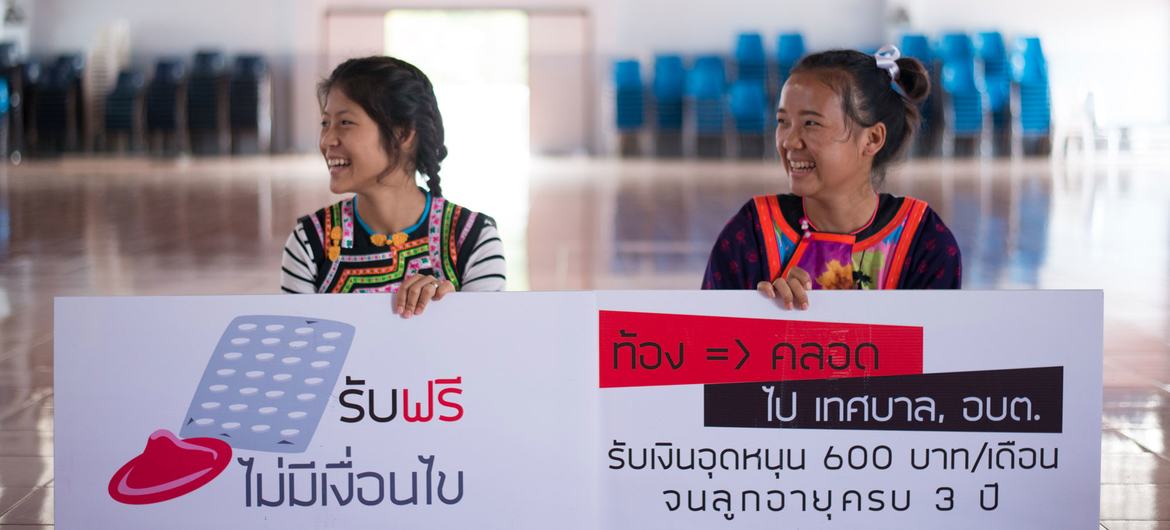
UNFPA is working with public and private partners, including Reckitt, to ensure women and girls from all communities have access to sexual and reproductive health information and care.
Attitudes across society also need to change and more needs to be invested in education, especially through the secondary level, in order to engage boys and explain fully to girls what their rights are.
It’s clear the government wants to ensure that young people can access and enjoy rights to sexual and reproductive health, as young people in a rapidly ageing society are considered the key to future prosperity.
For its part, UNFPA is building a range of new partnerships in order to support government efforts and to ensure young people enjoy their rights, especially those living in remote areas, in ethnic communities, and those living under the poverty line.
Our partnerships include working with the private sector, celebrities, online influencers, advocates with disabilities, and groups of vulnerable young people.
SDG 5: EMPOWER ALL WOMEN AND GIRLS BY 2030
SDG 5
- End all forms of discrimination and violence against women and girls
- Eliminate such harmful practices as early and forced marriages and female genital mutilation
- Adapt and strengthen legislation to promote gender equality and empower women and girls
- Ensure women’s full and effective participation and equal opportunities for leadership in political, economic, and public life
- Ensure universal access to sexual and reproductive health care
Globally, almost half of all married women currently lack decision-making power over their sexual and reproductive health and rights.