An ambitious reforestation program in Dire Dawa’s watershed is helping to restore hundreds of hectares of farmland and reduce flood risk, while providing 7,000 new jobs and economic opportunities, especially for women and young adults.
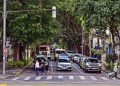
Dire Dawa, Ethiopia, is known for its vibrant culture, bustling streets and colorful markets: a melting pot of different cultures that’s home to half a million people. Located on the sole highway that connects Ethiopia to the closest neighboring seaport in East Africa, Dire Dawa is also a rapidly growing trade center that sees huge volumes of international trade.
But as the city grows, and new settlements are created, Dire Dawa is losing critical natural assets. Trees are cut down to make room for new neighborhoods and villages, and to make charcoal that helps meet energy demands. All this deforestation means the surrounding watershed is increasingly degraded, and Dire Dawa faces aggravated environmental risk: Flash floods from the Dechatu River often cause widespread damage, flooding people’s homes and leading to loss of life, most recently in 2020.
Communities living in the urban outskirts, where informality and agriculture make up the lion’s share of livelihoods, are also vulnerable to growing climate risks from rising temperatures and erratic rains.
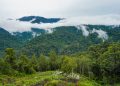
To respond to these challenges, the SUNCASA Project is working with communities to restore degraded catchment areas upstream of the Dechatu River, reforesting riparian zones and creating green urban spaces.
By planting more than 1 million trees in strategic locations across the Dechatu River catchment, these nature-based solutions reduce flood and heat risks, recover biodiversity and benefit local women and youth. Overall, the project is rehabilitating more than 600 hectares of degraded lands with trees and grass species.
New Jobs Bring Hope and Help Restore Landscapes
To meet its climate adaptation targets, the SUNCASA project features a strong focus on creating green jobs for communities vulnerable to climate risks. Green jobs are roles in businesses and projects that restore land or contribute to protecting the environment. By equipping people living in communities vulnerable to climate risks with job skills in tasks like seedling management, production and care, the project is building adaptive capacity through a holistic approach that strengthens communities and climate.
In addition to in-the-field skills, SUNCASA is also training communities in business development, helping farmers generate income and transforming local livelihoods. For example, communities have picked up beekeeping, a valuable way for households to earn a living and support food security. With very little land and equipment, households earn a steady income by selling their honey in the local market, while protecting the environment by boosting pollination and helping control pests.
With these skills, more than 7,000 residents — an estimated 60% of them women and young adults — have found employment across SUNCASA’s project areas and are now equipped with skills that contribute to nature-positive development. This is especially meaningful in a city where livelihoods are highly informal and often rely on extractive practices: Many of the project’s participants once made a living cutting down trees for firewood and charcoal.
Women at the Center of Nature-Based Work
Achieving gender balance in these jobs is especially important in nature-based projects, where social and cultural norms often exclude women from valuable work that protects against climate risk — especially when their livelihoods depend heavily on healthy ecosystems.
In SUNCASA’s Dira Dawa project, women and young adults are involved in every stage of the tree planting process — from seedling management to pit preparation, as tree planting support workers, planting team leaders, tree stewards, community climate action advocators and nursery workers.
Seedling management groups that consist of 10 to 12 people (eight to 10 of whom are usually women) track the growth and health of the trees planted in communal lands through a system that allows for third parties, like local administrators, to verify tree growth and the payments disbursed to workers.
Dahabo Abdoshe, a woman who leads her village’s seedling management group in Dire Dawa’s Ija Eneni Kebele, says a lot has changed: “I used to cut trees to support my livelihood before the SUNCASA project, and sold them at the local market.”
This meant that her children had to stay home to “look after the stock and small children.” But now, she says, “I’m saving from my monthly earnings [and] sending my children to school and renovating my house. I’m going to start a small business soon with the other colleagues at the project site.”
She added: “We are all anticipating the benefits from the newly planted fruit trees. We care for and closely monitor the seedlings like we do our children.”
Although most opportunities are short-term or temporary, some roles — like tree and landscape maintenance — will become permanent. Moreover, significant interest from seedling management groups to continue their employment in tree planting activities, beyond the scope of this project, signals growing community support and momentum as Dire Dawa invests in green infrastructure and a climate-resilient future.
SUNCASA, funded by Global Affairs Canada, is implemented in Dire Dawa, Ethiopia, by the International Institute for Sustainable Development and the World Resources Institute in collaboration with the Dire Dawa Administration, the Hararghe Catholic Secretariat and Haramaya University. SUNCASA is advancing gender-responsive Nature-based Solutions (NbS) to restore the degraded Dechatu River Catchment. The initiative empowers women and youth to lead climate change adaptation efforts by equipping them with the knowledge and skills necessary for active participation in NbS planning, project development, long-term management, and decision-making processes.