
Friday, April 24, 2026
  • About
  • Contact
  • Privacy Policy
Ecobuild.club
  • Home
  • Sustainability
  • Insulation
  • Energy Efficiency
  • Eco Build
  • Green Energy
  • Natural Global Resources
  • Videos
No Result
View All Result
Ecobuild.club
Home Sustainability

UN highlights importance of pulses for diets and food security |

10th February 2021
in Sustainability
0
UN highlights importance of pulses for diets and food security |
0
SHARES
8
VIEWS
Share on FacebookShare on Twitter

Related posts

SDG Media Zone Conversations at the 2026 ECOSOC Youth Forum

20th April 2026

Media Advisory | United Nations Permanent Forum on Indigenous Issues

17th April 2026

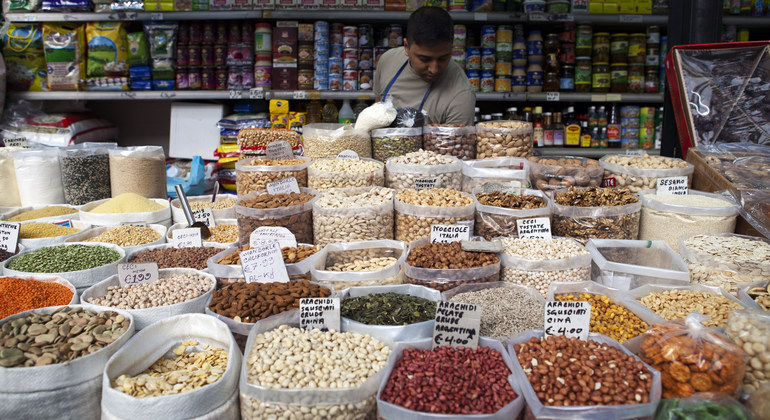
Pulses – also called legumes – are the edible seeds of plants from the pea family, cultivated for consumption.  

They are a key ingredient in dishes and cuisines globally: hummus in the Mediterranean; baked beans in English diets, or dal in south Asian cuisine. 

In many countries, pulses are also a part of the cultural heritage. For instance, in Nepal, Kwati, a soup made with nine varieties of pulses, is consumed during major festivals, and is a central element in the diets of expectant mothers. 

Pulses do not include crops that are harvested green (such as green peas or green beans), or those used mainly for oil extraction or sowing purposes. 

Importance in diets  

Pulses are an important source of protein, especially for vegetarians or for people who do not get enough protein by eating meat, fish or dairy. Furthermore, pulses are a healthy choice for meat-eaters, helping cut off excess fat from diets, and contain zero cholesterol. They are also a good source of dietary fibre, vitamins and minerals, especially iron and zinc.  

In terms of gram-for-gram nutritional value, pulses are also far cheaper than meats or other sources of protein, offering an economical alternative.  

Improving agriculture sustainability 

The nitrogen-fixing properties of pulses improve soil fertility, increasing and extending the productivity of the farmland. In many regions, farmers plant legumes along with other crops, a practice known as intercropping, to improve yield and promote soil biodiversity. 

Pulse crops are also known to fight off plant disease-causing pests, thereby reducing dependency on chemical fertilizers and pesticides. Pulses also produce a smaller carbon footprint, indirectly reducing greenhouse gas emissions, and contributing to climate action. 

The World Day 

The World Pulses Day, to be commemorated annually on 10 February, was established in 2018 by the UN General Assembly, which recognized the importance of pulses as well as their contributions to sustainable food production.  

The General Assembly also highlighted the potential of pulses “to further the achievement of the 2030 Agenda for Sustainable Development”, urging efforts to heighten public awareness of their nutritional benefits of eating a variety of food, including pulses. 

Source link

Previous Post

4 Urgent Actions Towards a More Sustainable Food System

Next Post

FROM THE FIELD: Teaching Chad’s scientists of the future |

Next Post
FROM THE FIELD: Teaching Chad’s scientists of the future |

FROM THE FIELD: Teaching Chad’s scientists of the future |

Leave a Reply Cancel reply

Your email address will not be published. Required fields are marked *

RECOMMENDED NEWS

Media Advisory | Financing for Development Week at UN to drive urgent action on implementation of the Sevilla Commitment

6 days ago

Media Advisory | United Nations Permanent Forum on Indigenous Issues

6 days ago

Inside One of China’s Greenest Cities

3 days ago

Integrating Environmental Defenders in Climate Policy

13 hours ago

POPULAR NEWS

  • Climate change: Paris Agreement goals still within reach, says UN chief

    0 shares
    Share 0 Tweet 0
  • How Citizens Reshaped Transport in Manila

    0 shares
    Share 0 Tweet 0
  • Integrating Environmental Defenders in Climate Policy

    0 shares
    Share 0 Tweet 0
  • Multilateralism must weather ‘challenges of today and tomorrow’ Guterres tells Paris Peace Forum

    0 shares
    Share 0 Tweet 0
  • There’s No Time, or Food, to Waste

    0 shares
    Share 0 Tweet 0
Ecobuild.club

ecobuild.club is an online news portal which aims to provide knowledge about Sustainability, Insulation, Energy Efficiency, Eco Build, Green Energy & Natural Global Resources.

Follow us on social media:

Recent News

  • Business Models Can Scale Crop Residue Use for High-Quality Cattle Feed
  • Integrating Environmental Defenders in Climate Policy
  • SDG Media Zone Conversations at the 2026 ECOSOC Youth Forum

Category

  • Eco Build
  • Energy Efficiency
  • Green Energy
  • Insulation
  • Natural Global Resources
  • Sustainability
  • Videos

Subscribe to get more!

  • About
  • Contact
  • Privacy Policy

© 2018 EcoBuild.club - All about Eco Friendly Environment !

No Result
View All Result
  • Home
  • Sustainability
  • Insulation
  • Energy Efficiency
  • Eco Build
  • Green Energy
  • Natural Global Resources
  • Videos

© 2018 EcoBuild.club - All about Eco Friendly Environment !